TV Pick of the Week: Finding Britain's Slave Traders with David Olusoga - review by Yvette Huddleston
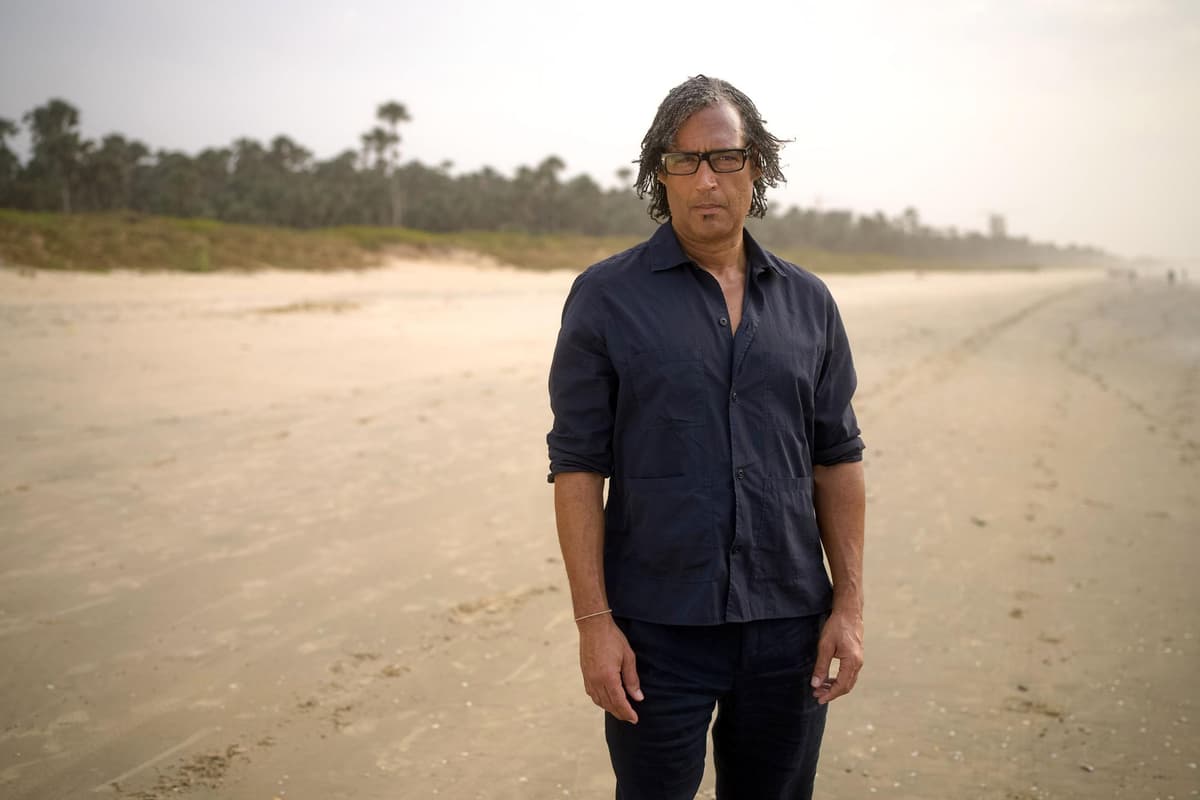
TV Pick of the Week: Finding Britain's Slave Traders with David Olusoga - review by Yvette Huddleston Finding Britain's Slave Traders with David Olusoga BBC iPlayer, review by Yvette Huddleston Historian David Olusoga’s two-part documentary is a follow- up to his 2015 series Britain's Forgotten Slave Owners and is based on the recent findings of an ongoing academic research project. The Register of British Slave Traders, launched online last month, is a database put together over five years by a team of historians which presents an overview of more than 13,000 individuals and institutions who invested in and profited from the slave trade. It details Using the Register, Olusoga looks into the stories of some of the men, women and organisations listed in it and speaks to members of the research team about their findings. First, however, he goes right back to the beginnings of the British involvement in slavery, which are earlier than you might think. During the Tudor period the monarchy was actively supporting and investing in the slave trade with Elizabeth I and her advisers involved in trying to establish a foothold in the buying and selling of enslaved people, a lucrative trade that was dominated at the time by the powerful colonising nations of Spain and Portugal. The British monarchy had ambitions to emulate them and bankrolled privateers and piratical ship captains such as John Hawkins. For a while there was successful trading but after two ‘catastrophic’ and costly expeditions led by Hawkins, there was a hiatus in Britain’s involvement in the slave trade. It was picked up again in the 17th century by trading companies set up by the Stuart monarchy, such as The Company of Royal Adventurers into Africa, founded in 1660, The Company of Royal Adventurers Trading to Africa, established three years later and The Royal African Company, founded in 1672. Olusoga explores how in the 18th century the trade reached its peak and spread out across the country from London to provincial towns and cities such as Bristol and Liverpool, with thousands of new investors joining. The trade grew as British colonies were acquired in the Caribbean and continued until the abolition of the slave trade in 1807 – although the abolition of slavery didn’t come until much later in 1833, followed by the controversial – and deeply upsetting and unjust – compensation scheme which paid out to enslavers for loss of their ‘property’, and full emancipation wasn’t until 1838. The series also uncovers the connections between the trade in enslaved African people to modern British institutions and organisations still operating today. It makes for powerful, sobering, uncomfortable – and necessary – viewing.
~2 min read · 441 words